Season’s Greetings from NANOSENSORS AFM probes

It is again time to wish all users of our AFM probes Happy Holidays! Enjoy the holiday season with friends and family. We are looking… Read More »Season’s Greetings from NANOSENSORS AFM probes
It is again time to wish all users of our AFM probes Happy Holidays! Enjoy the holiday season with friends and family. We are looking… Read More »Season’s Greetings from NANOSENSORS AFM probes
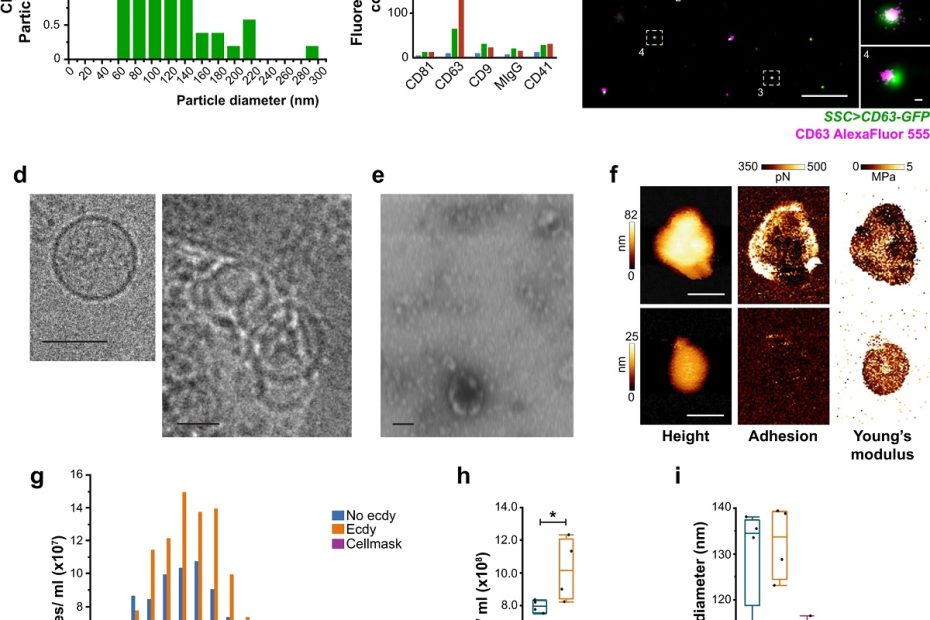
The female reproductive tract (female-RT) must decipher the repertoire of molecular cues received from the male during copulation in order to activate and coordinate tract… Read More »Male-female communication enhances release of extracellular vesicles leading to high fertility in Drosophila

Meet our CEO @Arablab 2022 in Dubai this week and discuss the many applications that are possible using our #AFMprobes for #AtomicForceMicroscopy
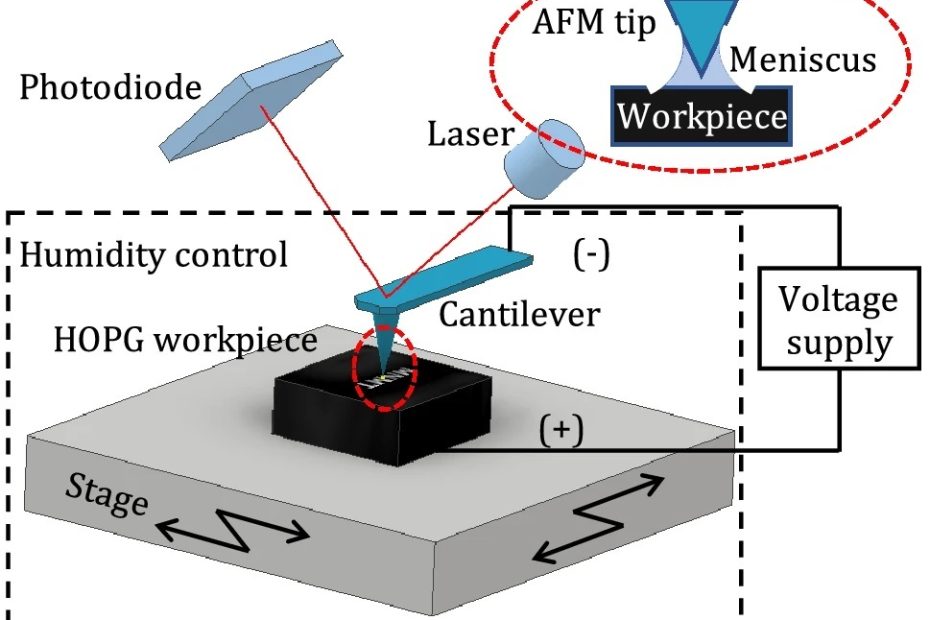
Happy #NanotechnologyDay! The date, 10/9, is a nod to the nanometer scale, where objects span only billionths of a meter (10⁻⁹ meters). We celebrate it… Read More »Toward Single-Atomic-Layer Lithography on Highly Oriented Pyrolytic Graphite Surfaces Using AFM-Based Electrochemical Etching
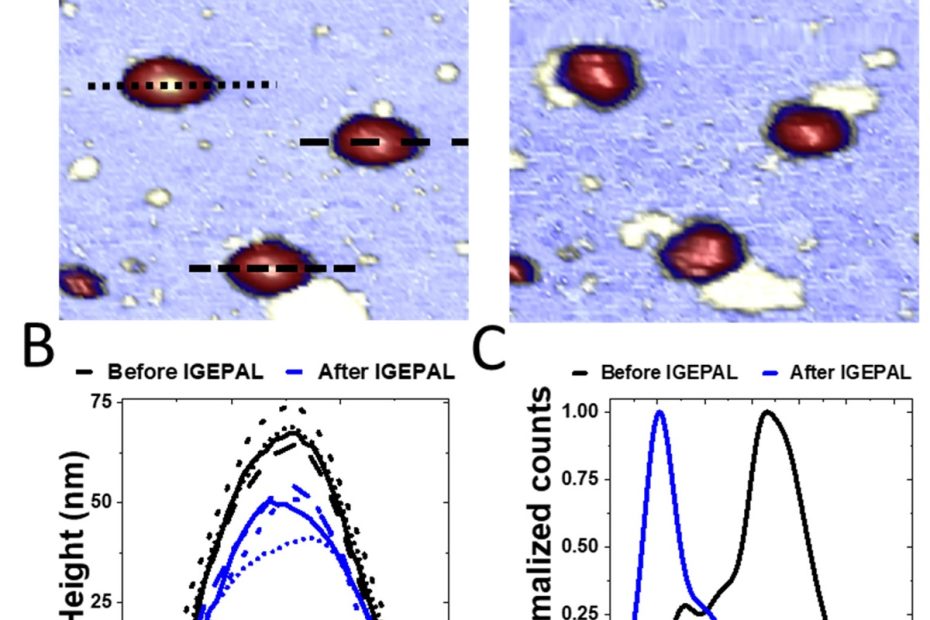
Successful airborne transmission of coronaviruses through fluid microdroplets requires a virion structure that must withstand harsh natural conditions. * Because of the strict biosafety requirements… Read More »Monitoring SARS-CoV-2 Surrogate TGEV Individual Virions Structure Survival under Harsh Physicochemical Environments
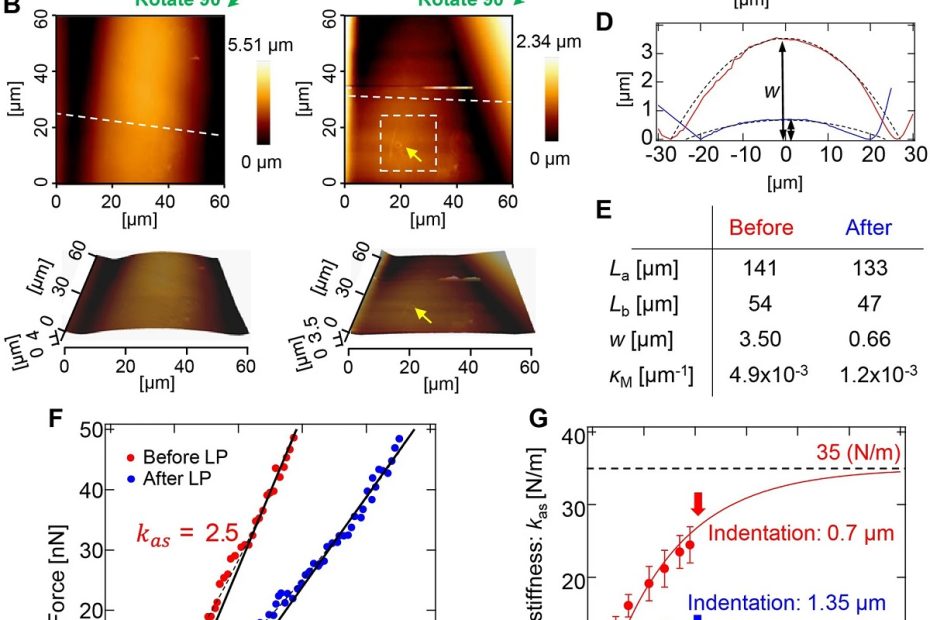
The stiffness of a plant cell in response to an applied force is determined not only by the elasticity of the cell wall but also… Read More »Elastic shell theory for plant cell wall stiffness reveals contributions of cell wall elasticity and turgor pressure in AFM measurement
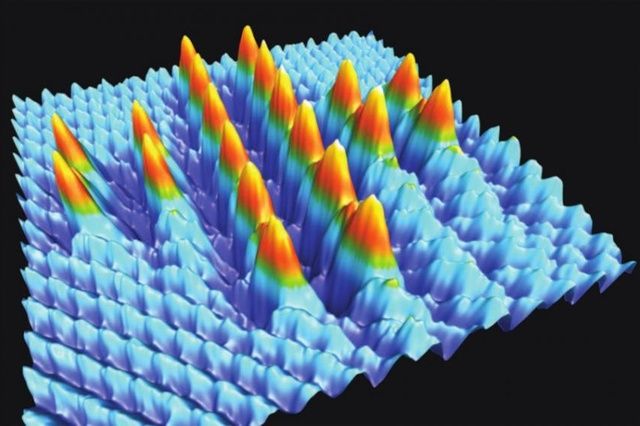
We are celebrating today’s Swiss National Holiday courtesy of Basel University with the Smallest Swiss Cross – Made of 20 Single Atoms ( a NANOSENSORS… Read More »Happy Swiss National Holiday with Smallest Swiss Cross